Table Of Content
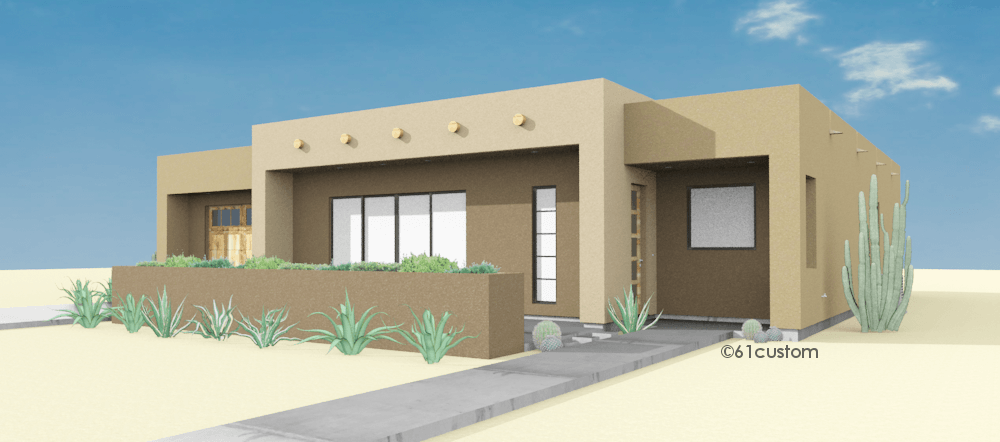
They’re constructed out of timber frames and their exterior walls are finished to have that adobe clay look. In reality, the exterior walls are made with stucco mimicking traditional adobe walls. The flat roofs often still have a rounded edge but are made with more modern materials, rather than eco-friendly adobe mud.
Architectural Style
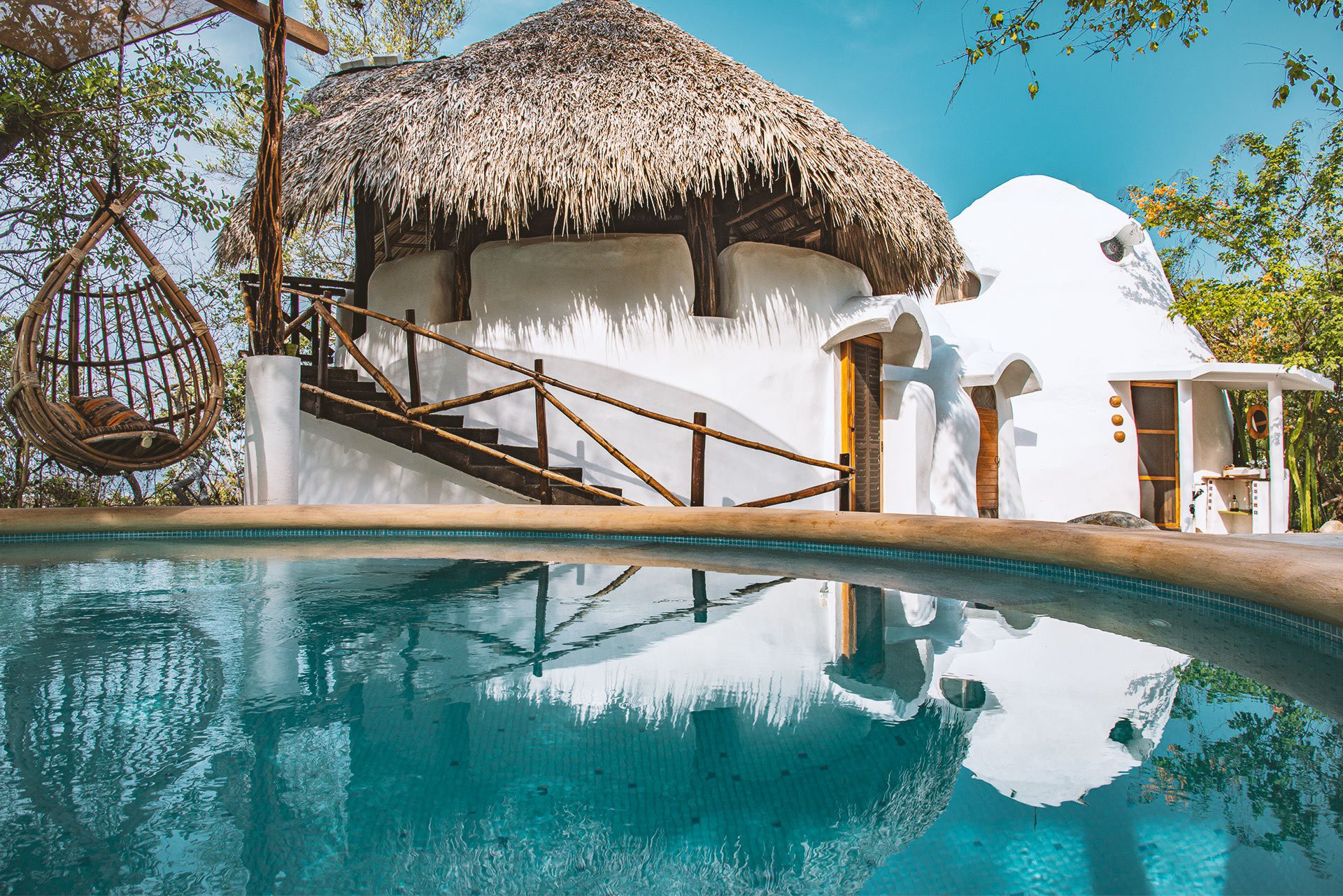
The mixture is molded into the frame, which is removed after initial setting. After drying for a few hours, the bricks are turned on edge to finish drying. Originally, adobe homes were circular and often built half underground.
What is the best foundation for an Adobe house?
Syria’s ancient adobe houses threatened by war, displacement - Al Jazeera English
Syria’s ancient adobe houses threatened by war, displacement.
Posted: Thu, 07 Sep 2023 07:00:00 GMT [source]
The most notable tool is Reference Image, which uses user-uploaded images to inspire the output generated by Adobe’s AI, matching similar elements in style and color. For example, instead of repeatedly tweaking a prompt description like “a blue vintage truck with flower decals,” users can instead provide a reference image that Photoshop will use as a guide. This involves setting up corner posts, door frames, and string lines to ensure straight, even walls. It’s also important to seal the bricks every few years with a coat of waterproofing sealant.
Soil Type
As you can see, the steps above will get you closer to building the dream adobe house you always wanted. Factors that affect longevity include the quality of materials used and protection from harsh weather conditions. OSB sheets can again be used as a roof finish for a more modern and streamlined appearance. OSB sheets are durable, water-resistant, and easily installed on top of the insulation layer. The location’s climate plays an essential role in the durability and comfort of your adobe house. Adobe walls are load-bearing, i.e. they carry their own weight into the foundation rather than by another structure, hence the adobe must have sufficient compressive strength.
The primary building material for adobe houses is adobe, which is essentially a dried mud brick made from a mixture of earth, organic materials like straw or grass, sand, and water. Other materials used in construction include wood or metal for roofing, concrete or steel beams for foundation reinforcement, and gravel for drainage. In conclusion, the design and architecture of adobe houses are unique and inspired by the Pueblo and Spanish Missions in New Mexico.
The Earthy, Functional Home Style With Indigenous Pueblo Origins
Manufacturers mix these earthen materials with water before drying them in the sun. According to Larach, adobe-style houses have flat roofs with rounded edges and an extension of the roof that serves as a barrier to collect rainwater, a precious resource in hot and dry climates. The walls of an adobe house are usually thick, so they absorb heat on hot days and release it during cool nights. The Pueblo Revival (or Santa Fe style) home, while in the spirit of the traditional New Mexico style adobe home, isn’t made from the same materials.
The mud and water are mixed, and the straw is added to the mixture to provide reinforcement. Before you choose adobe construction for your next project, you should know the advantages and disadvantages of building with adobe. This article sets out the pros and cons of adobe buildings so you can decide if it’s right for you. While building an adobe house is a straightforward process, the overall design process can be complex. During the process, in this case done the artesian way, oxen mix up the earth with their hooves while water is added periodically.
One study confirmed the thermal stability in adobe walls 50-cm thick, which is considered the standard width of earthen homes in Cyprus where adobe dates back to the Neolithic era. While there’s minimal wood used in building adobe houses, you’ll see exposed wood beams supporting the ceiling in the home’s interior. There’s usually a fireplace shaped like a beehive, set in the corner of the main living space.
But the process isn’t as simple as it looks, and it takes just one slip-up to ruin all your efforts. Another way to protect your home from water damage is to install a good drainage system. This can be done by installing a gravel driveway and sidewalks, as well as by planting trees and shrubs around the house that will help absorb water. In Europe, the best example of an adobe home can be found in the Roman city of Pompeii. This city was destroyed by a volcanic eruption in 79 AD, but many of the buildings were preserved because they were made from adobe.
The construction of a chimney can greatly influence the construction of the roof supports, creating an extra need for care in choosing the materials. The builders can make an adobe chimney by stacking simple adobe bricks in a similar fashion as the surrounding walls. The more traditional flat adobe roofs are functional only in dry climates that are not exposed to snow loads. Across the vigas lie smaller members called latillas[27] and upon those brush is then laid.
The adobe walls may be thicker in hot and dry climates, while colder climates may have thinner ones to allow for better warmth and light. The use of adobe in construction dates back to ancient civilizations (8300 BC), including the Mesopotamians, Egyptians, and various indigenous peoples of the Americas. This building style, suited for dry climates, uses a mixture of sand, straw, and clay, offering a sustainable alternative in areas sparse in wood. In climates typified by hot days and cool nights, the high thermal mass of adobe mediates the high and low temperatures of the day, moderating the temperature of the living space. The massive walls require a large and relatively long input of heat from the sun (radiation) and from the surrounding air (convection) before they warm through to the interior.
The Casa de Estudillo Adobe House is a stunning example of San Diego’s traditional adobe architecture and a prime example of how it was used in the late 1800s. The house depicts the Estudillo family’s and their community’s lifestyle, culture, and history. Adobe is a construction material made from sand, clay, water, and sometimes straw or other organic materials. Adobe is a Spanish word that initially referred to mudbrick, a similar construction material.
Luckily, another wall quickly replaced it thanks to the generous supply of blocks set aside for the project per the architect's recommendations. They were added to the house's garden and, upon disintegrating, became fertilizer for the grass, an optimal demonstration of the zero-waste properties of adobe. Building codes vary by location and may require specific materials, construction techniques, and inspections.
In some areas, adobe houses may be subject to additional regulations or restrictions due to their unique construction. For example, some areas may require additional reinforcement or insulation to meet building codes. Adobe homes have unique interior features, including wooden beams which support the ceiling of the home’s interior. You will also see concrete flooring and tiles that help cool the home on hot days.
Adobe architecture is a building style known for its distinctive features that have been refined over centuries. One of the most striking features is thick walls, which generally range from 10 – 24 inches thick. I will also discuss the key features and design principles of adobe architecture.


